Full-frame vs. APS-C cameras: three (quick) factors for getting the job done
When choosing a camera system, photographers often debate between full-frame and APS-C sensors. While APS-C cameras can have their advantages, full-frame cameras offer better low-light performance, higher dynamic range, and superior depth of field control—all crucial for portrait and wedding photography. As a professional portrait and wedding photographer, I rely on full-frame cameras to capture stunning, high-quality images that my clients love.
What’s the Difference?
Full-Frame vs. APS-C
• Low-Light Performance – Full-frame sensors collect more light, resulting in cleaner, sharper images in dim conditions, perfect for weddings, mitzvahs, and event photography.
• Dynamic Range – With a greater ability to capture highlights and shadows, full-frame sensors excel in outdoor sessions and high-contrast environments.
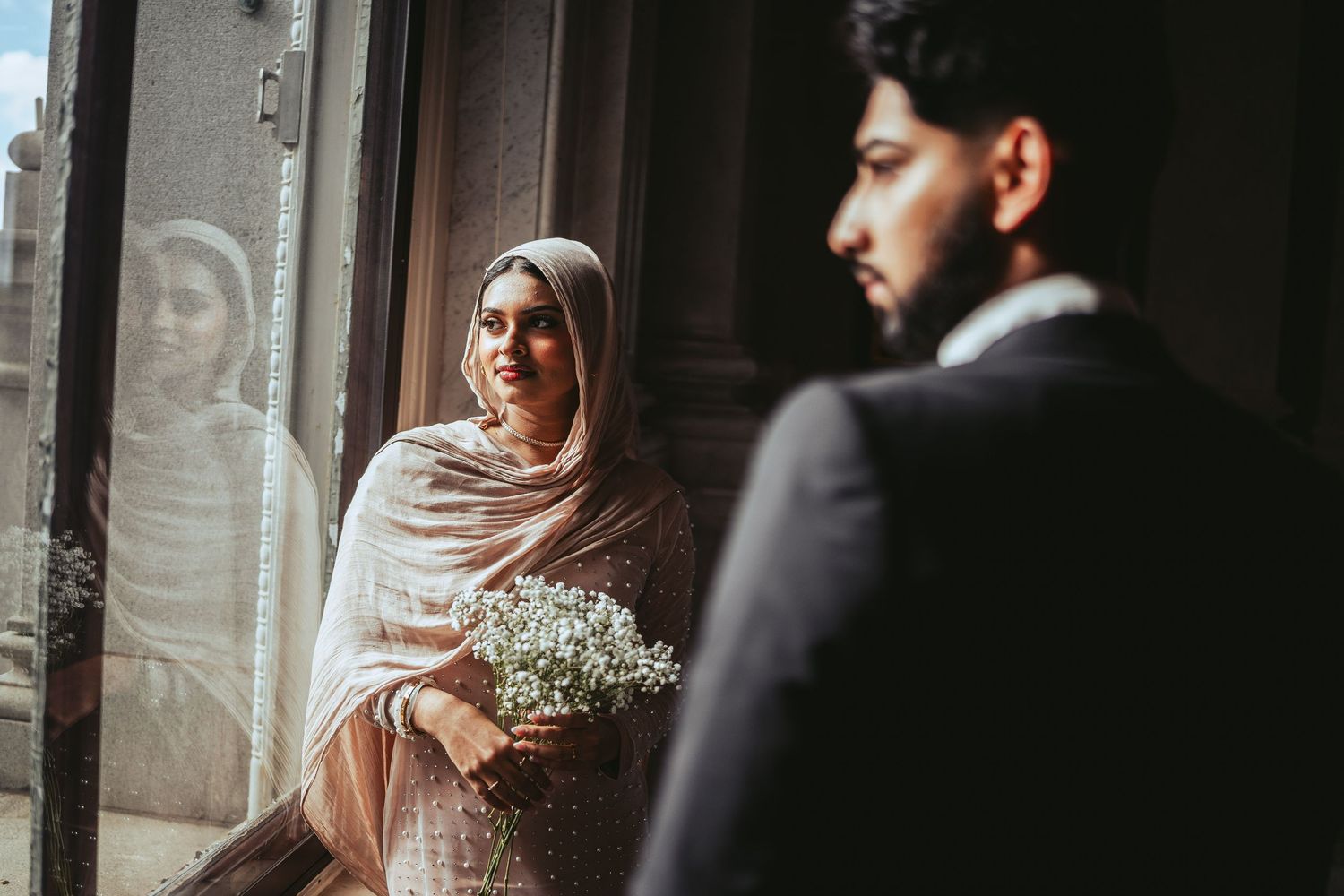
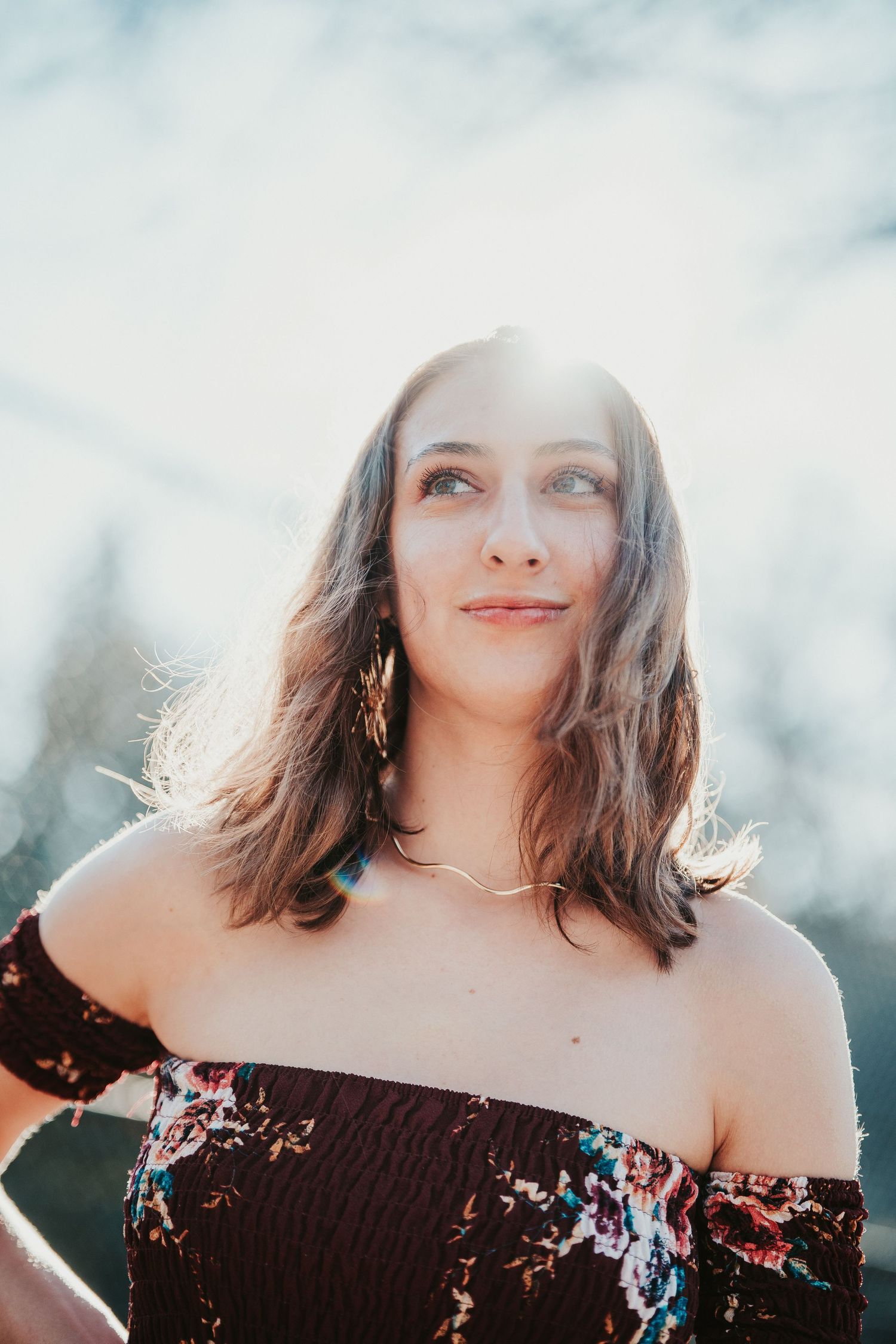
• Depth of Field Control – A shallower depth of field allows for beautifully blurred backgrounds, making portraits pop.

Gabrielle at the Glenview Mansion in Rockville, MD, photographed with the Sony A7IV and the Sony 50mm f/1.2 GM. This shallow depth of field would be impossible to achieve from the same position with an APS-C camera.
Why I Choose Full Frame for My Clients
Whether I’m photographing engagements in Bethesda, weddings in Rockville, or family portraits in Montgomery County, a full-frame camera ensures that I deliver the highest quality images possible. The clarity, sharpness, and depth it provides make all the difference when capturing once-in-a-lifetime moments.
Thinking about booking a portrait, wedding, or elopement session? Let’s create something amazing together — contact me today!