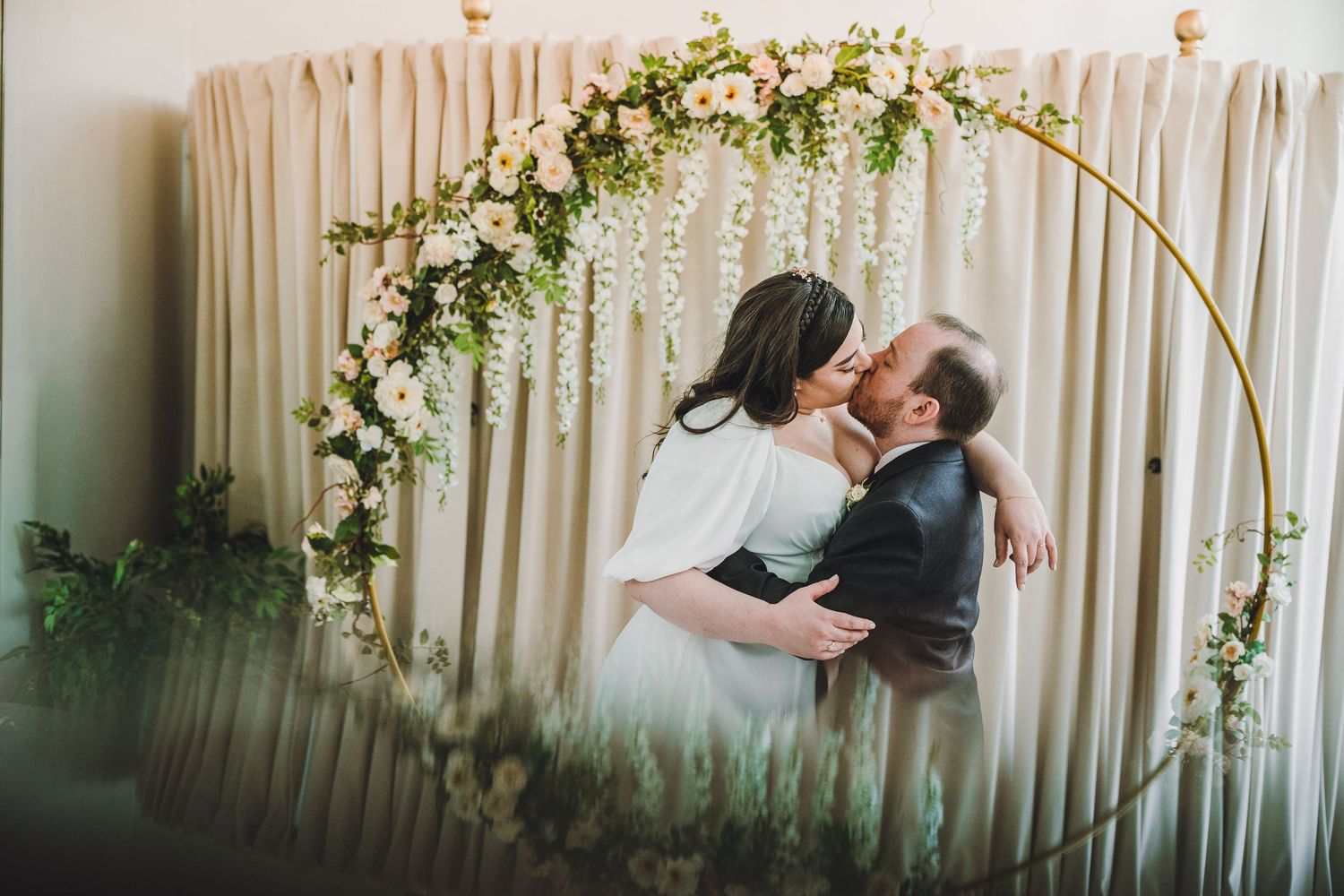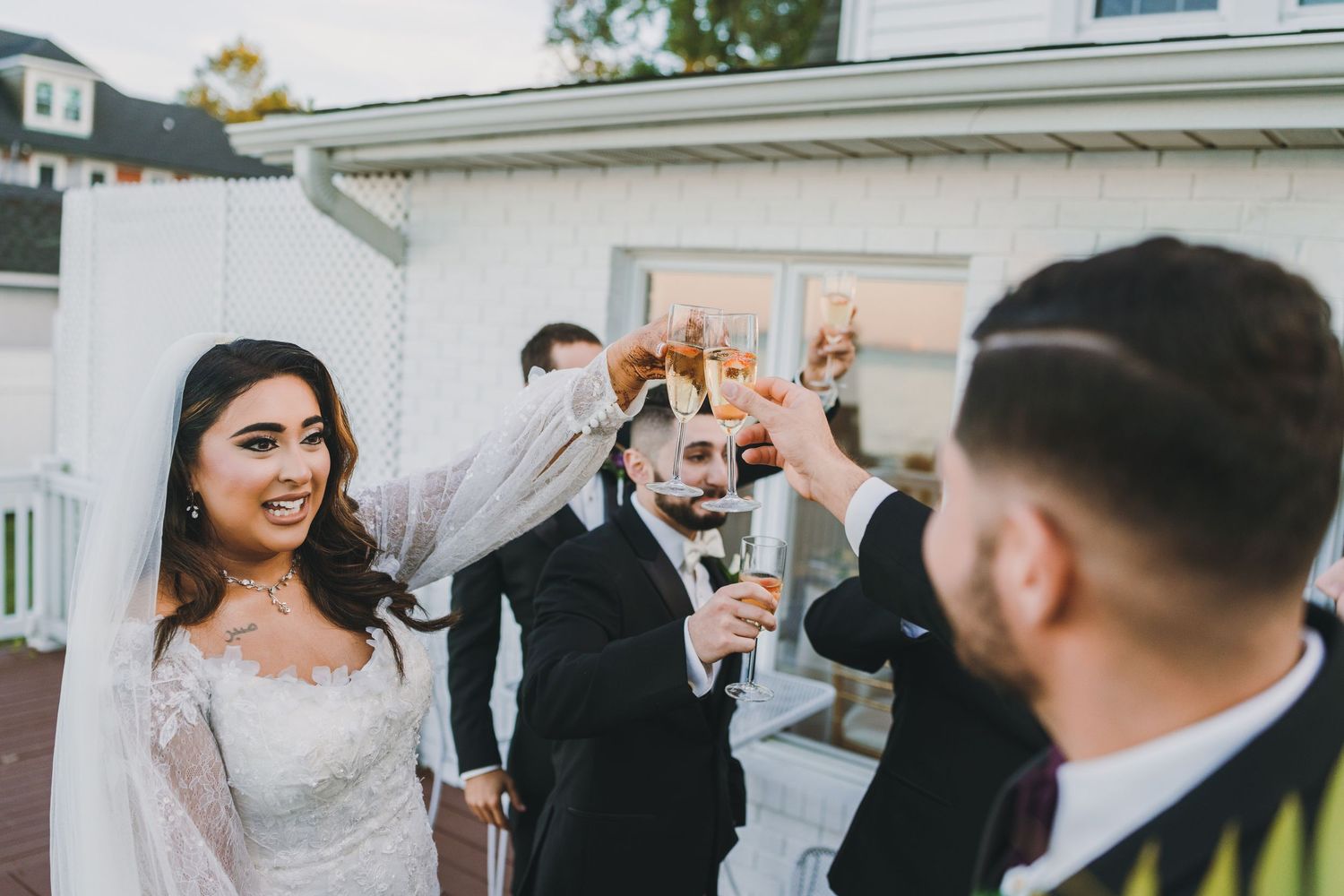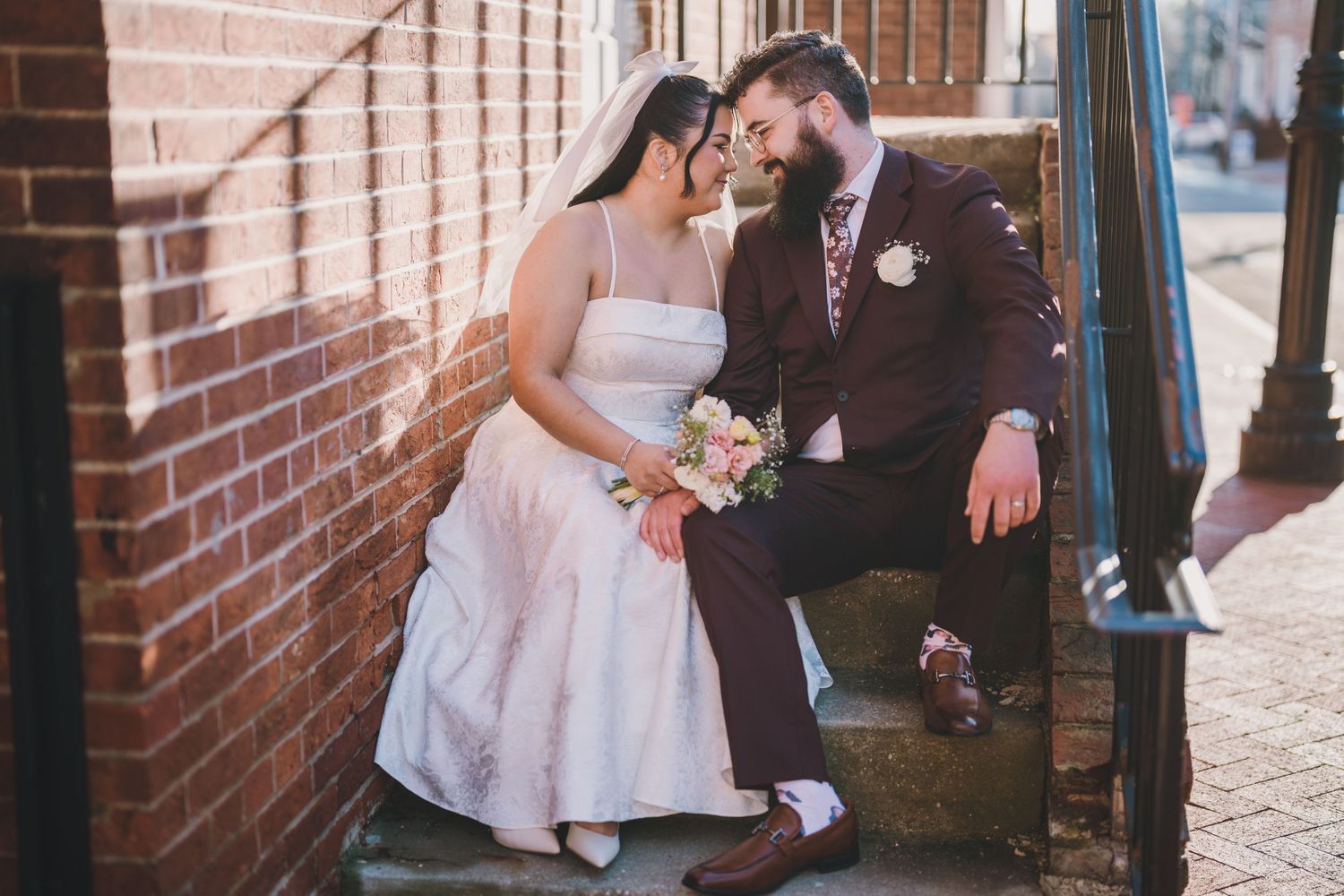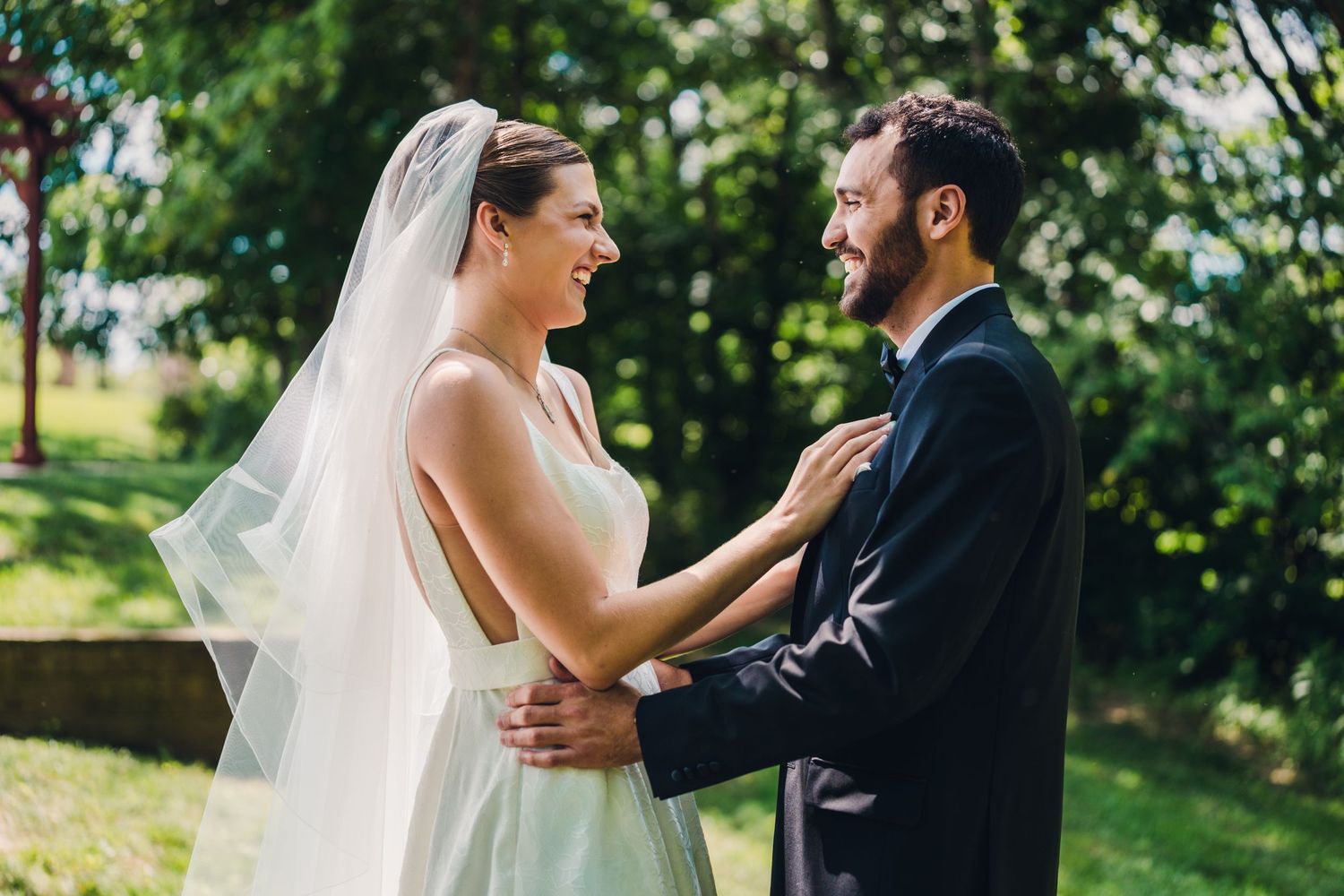
A smaller wedding photography budget does not have to mean hiring the least expensive photographer for the longest possible amount of time. Sometimes, the better investment is booking four or five thoughtfully planned hours with someone established, reliable, and experienced rather than twelve hours with someone whose work or professionalism you are less confident in. More hours only add value if the photographer knows how to use them. You are not just paying someone to stand near your wedding with a camera; you are paying for consistency, communication, backup equipment, insurance, experience with difficult lighting, and the confidence that they will show up and deliver work that looks like the portfolio you hired them for.
I recently photographed a four-hour wedding that included a first look, couple’s portraits, family and friend photos, the ceremony, cocktail-hour candids, the first dance, parent dances, and speeches. I left right as dinner was served. No getting-ready coverage, no awkward photos of guests eating, and no hours of repetitive dancing images; just the most emotionally important parts of the day that the couple actually wanted.
Decide What You Actually Want Photographed
Shorter coverage works best when you build the timeline around your priorities rather than trying to include every wedding tradition by default. Maybe the first look and ceremony mean everything to you, but photos of your shoes beside a window do not. Maybe you want your first dance documented but do not need photographic evidence of every song that follows. More coverage creates a fuller chronological story, of course, but that does not automatically make it a more meaningful one. A shorter gallery can still include every moment you will actually care about revisiting.
Use a First Look to Get Portraits Done Early
A first look gives us time for couple’s portraits, wedding-party photos, and most immediate-family combinations before the ceremony begins. Without one, nearly every formal photograph has to happen during cocktail hour, usually while relatives are disappearing toward the bar and you are wondering whether you will get to eat any of your own appetizers. Some couples worry that a first look will make the ceremony less emotional, but in my experience, it gives you two meaningful reactions instead of one. It also makes a shorter timeline significantly calmer, which tends to make the photos better, too.
Keep the Day Logistically Simple
Four hours can fit a surprising amount, but not if a large portion of it is spent traveling between a hotel, portrait location, ceremony site, and reception venue. Keeping the first look, portraits, ceremony, and reception in one place, or at least close together, protects the time you are actually paying to have photographed. Family photos should also be planned in advance and, whenever possible, completed before the ceremony. The photography itself is usually quick; finding the family members after the ceremony can become a small-scale search-and-rescue mission.
Move the Reception Traditions Earlier
You do not need your photographer present through the entire reception to have the most important parts documented. Schedule the entrance, first dance, parent dances, and speeches near the beginning, then begin dinner once they are complete. Dinner is important to your guests. As a photographic subject, it is mostly an hour of people hoping I do not take a picture while they are chewing. Leaving as dinner is served is one of the easiest ways to shorten coverage without losing much emotional value from the gallery (I'll gladly accept a tip in the form of a to-go container of food, by the way!).
Dancing Photos can be Quick and Easy
Dance-floor coverage is optional, too. It can be energetic and hilarious, but unless dancing is one of your top priorities, it is often easier to cut than the ceremony, portraits, or family reactions. Or, if you want some dance floor photos, you can keep the photographer there for only part of the dancing. Trust me, I can get 90% of the dance floor vibe for the whole evening within 30 minutes of dancing if people are participating. And a cute bonus option for budget-conscious couples is to give out disposable cameras (with flashes) to guests for extra dance floor photos that are extra adorable and meaningful because of who took them.
What Four Hours of Wedding Photography Can Look Like
A four-hour timeline could look something like this:
2:30 PM: Photographer arrives, establishing shots begin
3:00 PM: First look and couple’s portraits
3:35 PM: Wedding-party and family photos
4:15 PM: Guests arrive; details and candid coverage
4:45 PM: Ceremony
5:15 PM: Remaining group photos and cocktail-hour candids
5:45 PM: Reception entrance, first dance, and parent dances
6:05 PM: Speeches
6:30 PM: Dinner begins and photography coverage ends
The exact timing depends on the venue, ceremony length, and number of family combinations, but this can include nearly every major emotional moment without photographing the entire day.
Shorter Coverage Should Feel Intentional
The goal is not to cram a twelve-hour wedding into four or five frantic hours. It is to remove the stretches you do not particularly need photographed and give the moments you do care about enough room to happen naturally. For budget-conscious couples, I often think this is a much better compromise than choosing a photographer solely because they offer the most hours for the lowest price. Your wedding cannot be photographed again if someone no-shows, arrives unprepared, loses the files, or delivers work that looks nothing like what you expected.
You do not necessarily need someone documenting every minute. You need someone capable of recognizing and capturing the right minutes. Tell me which moments matter most, which parts you could happily leave undocumented, and what amount of coverage fits your budget. We can build the timeline around those priorities and create a wedding gallery that feels complete without paying for hours you never truly needed.